Category Archives: colorado

Silverton Avalanche School Avalanche

Avalanche Lawsuit names Silverton Avalanche School, guide and BCA

Peter Marshall died in an avalanche during an avalanche safety class near Red Mountain Pass in 2019. In an avalanche lawsuit his family names the school, the guide, and Backcountry Access.

The slide swept six skiers down a slope. All of them were part of a Level 2 American Institute for Avalanche Research and Education (AIARE) class. Which was offered by the Silverton Avalanche School.

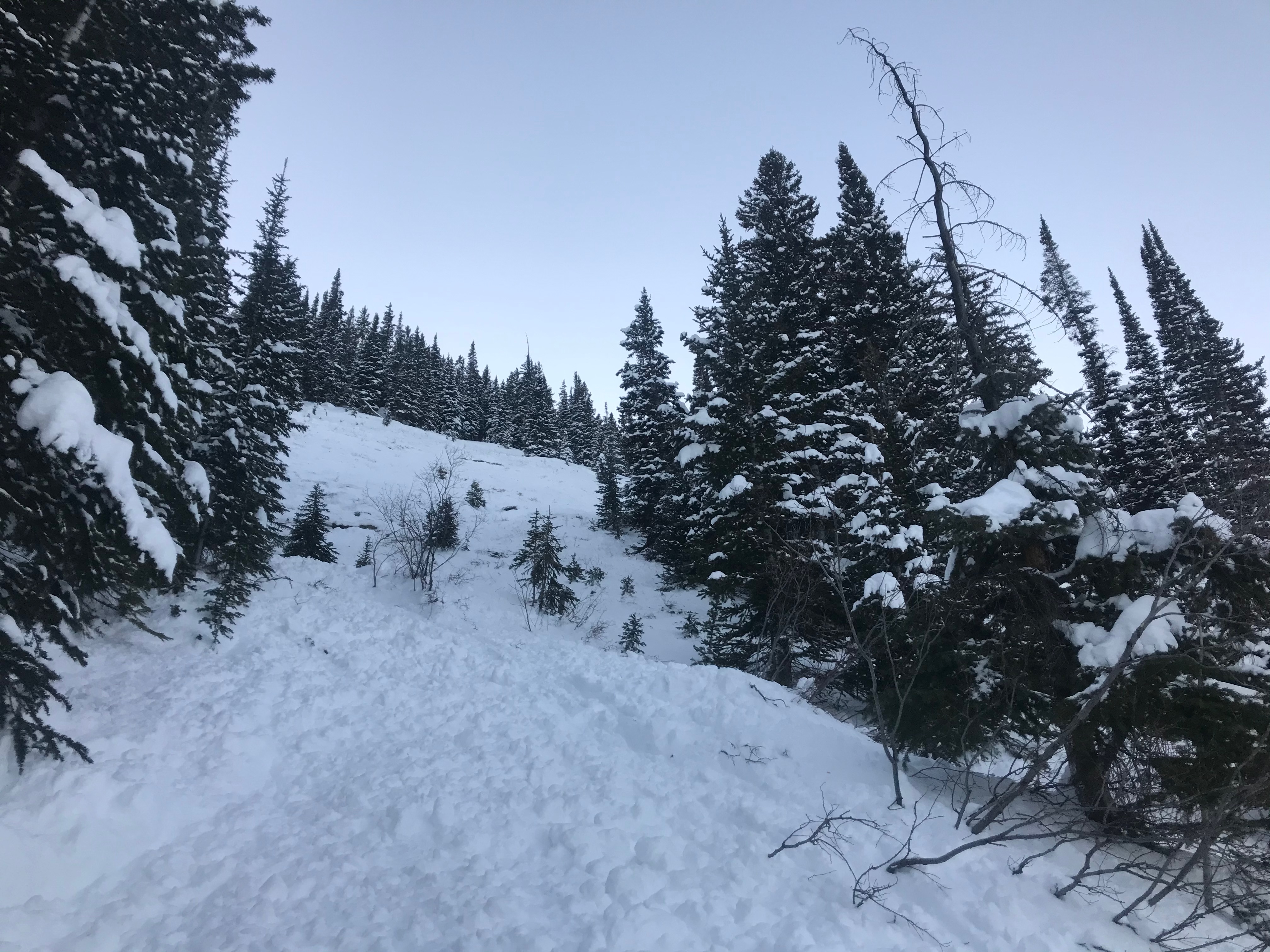
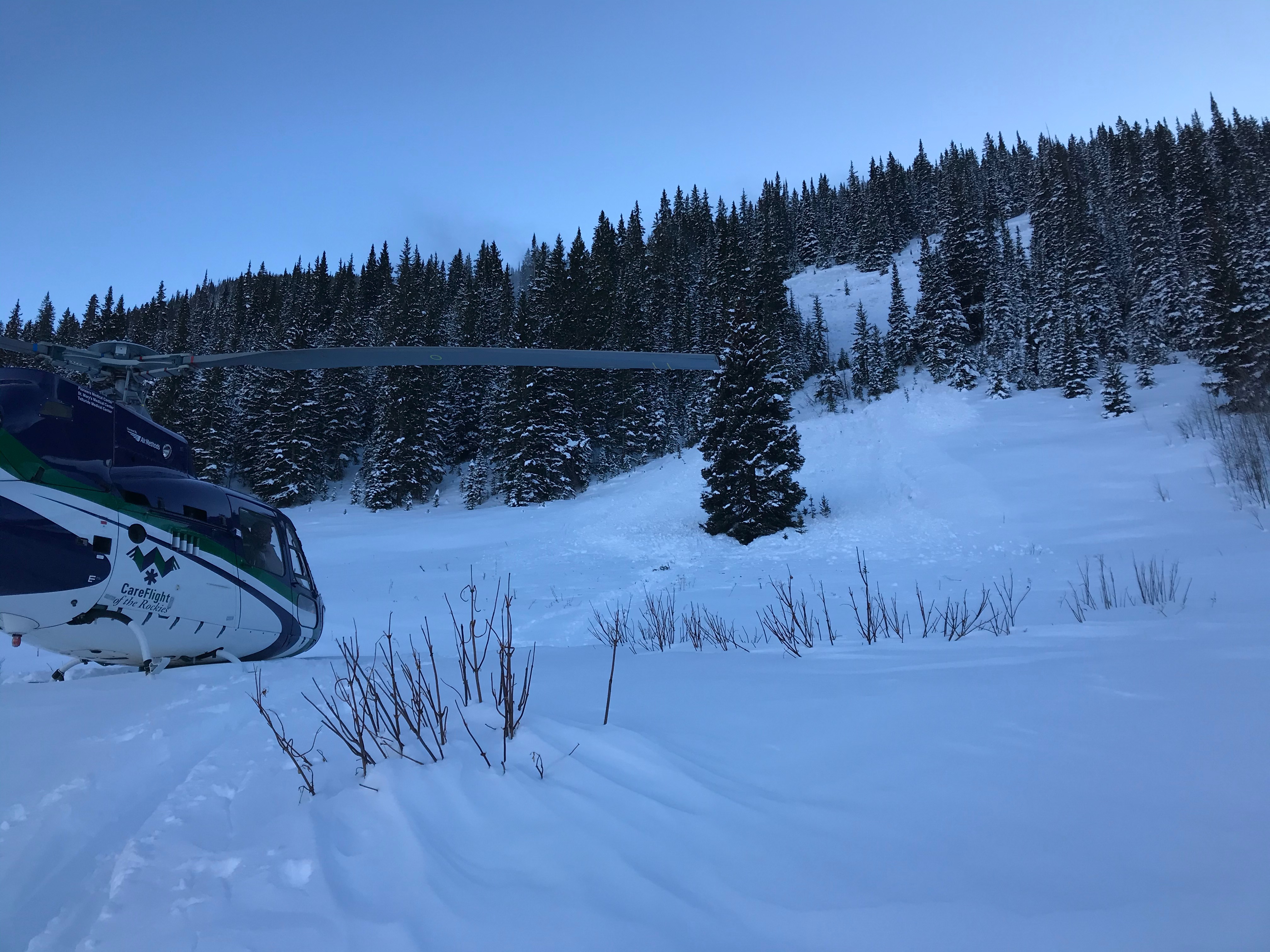
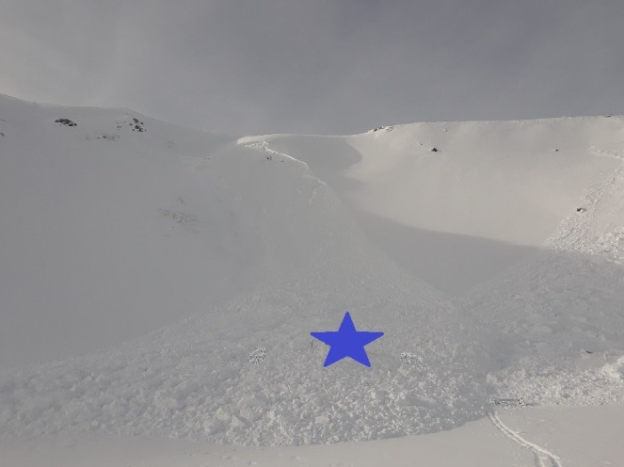
Site of a fatal avalanche during an AIARE Level 2 avalanche class.
Site of the 2019 avalanche which caught six participants in an AIARE Level 2 avalanche class taught by Silverton Avalanche School.

 The family is suing the guide, school and local rescue group. And also the maker of an avalanche airbag and its private equity firm owner. This lawsuit marks the second recent legal action involving avalanches based on reports by the Colorado Avalanche Information Center (CAIC). 

Lawsuit defendants

The wrongful death lawsuit names Silverton Avalanche School, San Juan County Search and Rescue and guide Zachary Lovell. It alleges a litany of failures, fraud, misrepresentation, negligence and consumer protection law violations. 

The lawsuit also charges Boulder-based Backcountry Access (BCA) with making a defective Float 32 avalanche airbag. It says the airbag did not inflate after Marshall “attempted to trigger” the balloon-like backpack. The lawsuit also names Kohlberg & Company, the private equity firm that acquired BCA and parent company K2 Sports. 

“The defendants, each of them, acted willfully, wantonly, and recklessly, without regard for the consequences or the rights and safety of Peter Marshall or of others,” reads the lawsuit. It argues the school, guide and airbag maker “created substantial and unreasonable risks of serious injury and death to participants” in the avalanche class. “Defendants were grossly negligent and that gross negligence was a cause of the injuries, damages, and losses suffered by plaintiffs and the heirs of Peter Marshall.” The CAIC  report noted several mistakes that led to the avalanche. The group was skiing together on a slope that was steep enough to avalanche. They misjudged the steepness, aspect and avalanche danger on the slope they skied. And they failed to recognize the potential for triggering avalanches on nearby slopes. 

Allegations against the school and guide

The avalanche was triggered by the guide. It also caught Marshall and carried him to the bottom of the slope. A second avalanche on an adjacent slope buried Marshall in several feet of snow. Lovell and the students searched for Marshall. He was uncovered after 50 minutes. 

Avalanche death in a Level 2 avalanche class
The 2019 avalanche which caught six participants in an AIARE Level 2 avalanche class taught by Silverton Avalanche School. The original snow slide is off the edge on the right, the debris and star are where the second avalanche buried and killed a student.

In the 12 days before the slide, the avalanche center logged 72 avalanches in the North San Juans and noted “considerable” danger. The lawsuit says Silverton Avalanche School staff and instructors agreed not to travel in avalanche terrain that weekend with students. 

During those discussions, school staff “expressed concern that defendant Lovell seemed inclined to travel in more complex and bigger terrain. Despite the fragile snowpack and concerning avalanche conditions,” reads the lawsuit. 

The lawsuit cites several dozen failures by both the school and Lovell. Those include charges of negligence. Like failing to communicate the day’s avalanche forecast. And allowing instructors to lead students “into, through and below” avalanche terrain. The lawsuit also says the school and Lovell “falsely represented” training and qualifications.  The lawsuit notes that BCA in October 2013 recalled some of Float airbags.

Second Lawsuit to rely on CAIC reports

The lawsuit marks a second recent case where a CAIC report supports legal action. In October Summit County prosecutor Bruce Brown levied a $168,000 fine against two snowboarders who triggered an avalanche above the Eisenhower-Johnson Memorial Tunnels in March. The slide buried a service road and destroyed remote avalanche mitigation devices. The two snowboarders gave video to CAIC avalanche investigators. They thought their interviews and perspective would help others avoid future avalanche accidents.  A motion filed by the snowboarders’ attorney in November to suppress the video argued the criminal charges stemming from an avalanche could pose a slippery slope for backcountry skiers who traditionally have worked cooperatively with the avalanche center in detailing avalanche accidents. 

“The backcountry community needs to know if CAIC is not an ally in their efforts to improve best avalanche practices, but (operates) merely as an extension of law enforcement,” the motion reads. “This is a posture that needs to be clarified for all parties, because if CAIC is seen as a revolving door to police and prosecutor there will be a chilling effect.”
Avalanche Survivor Shares Story

An avalanche survivor is talking about being buried by snow to encourage others to be safe while in the mountains.

A year ago Ryan Mitchell had a life changing experience. He and some friends were snowboarding at Steamboat Resort when an avalanche was triggered above them.

Area was closed, but access not blocked

Mitchell was one of eight people who were in a closed area. Although the area was closed they did not duck any ropes to access it. They traversed in above Big Meadow, which was open, and below the chutes. It is believed they triggered the avalanche from below. Several people were caught in the slide but only Mitchel was completely buried. Another person was buried up to their waist.

“Just a normal day”

“It was just a normal day. We were actually planning to go out and build a jump out in Steamboat,” said Mitchell. “I was out in front and my buddy Dane cut across, and all of a sudden there was a loud boom.”

They tried to outrun the slide but he and a friend were buried. “It hit me in the back of my board and I just went in.”

His friend extricated himself and was able to tell the other friend where Mitchell was last seen. Having some avalanche training, they started digging. A skier who witnessed the whole thing went to get ski patrol. Ryan was buried for 8 minutes. He had to come to terms with what could have been the end of his life.

“I was like, ‘Man, this is it.’ Everything went through my brain. The last conversations I had with everybody that I feel like I ever had a conversation with.”

Recovered before ski patrol arrived

Miraculously, he says his friends found him just as ski patrol was arriving. “I guess my buddies were saying they took my arm out and it just flopped and I was just blue.”

Mitchell was taken to a hospital and was not injured. When he was released he went for chicken wings to celebrate. He is telling his story now as an avalanche survivor because he has seen stories about avalanches trapping and killing people.

Keep enjoying the mountains, safely

He wants people to know that enjoying the mountains is still a good thing. Just make sure you go with people who have avalanche training.

“Keep doing what you love to do and just keep pushing man. I’m thankful that I had good people around me. Good friends that knew what they were doing and when times got tough, they didn’t panic.”

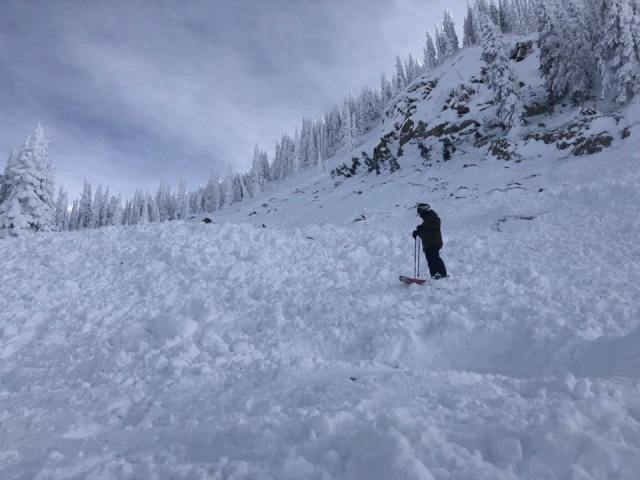
photo of avalanche debris

Skiers caused over 10 San Juan avalanches in Colorado

During the past week backcountry skiers have triggered more than 10 avalanches in the San Juan Mountains of Colorado. Although nobody was seriously injured there have been some dangerous close calls.

There were six reports of skier-triggered San Juan avalanches in the Wolf Creek Pass area. And another five in the western San Juan Mountains. That’s just from reports people submitted to the CAIC.

On Monday a party of skiers near Wolf Creek Pass was caught in a relatively small avalanche that went up to the skiers’ knees. No one was injured.

On Tuesday near Wolf Creek Pass a skier was “knocked over and partially buried, head and one arm and ski out.” Another skier had to help the person extricate.

“No injuries or broken gear, so we were thankful for the somewhat gentle reminder that accidents can happen anywhere and it’s good to have partners that can rescue you in case of one,” the person who wrote the report said.

Skier caught in two avalanches

The skier was caught and carried about 100 to 130 feet and deployed an airbag. They were “pushed and knocked around but able to stay upright.”

The skier then came to a stop and got the airbag operational again. Attempting to ski down, the skier was caught in a second avalanche. They were carried another 100 to 130 feet and deployed the airbag again.

“Similar to (the first) slide … skier was caught, carried and knocked around but able to ski to right of deposition path just before being carried into trees,” according to the report.

Avalanche danger remains a concern across the state

A San Juan avalanche, CAIC
A San Juan avalanche

People triggered at least 12 avalanches just on Thursday.

“Our current weak and dangerous snowpack persists,” the CAIC wrote. “There is potential for avalanches to be exceptionally fatal this winter in Colorado.”

The snowpack has not been this unstable and weak since 2012, Ethan Greene, CAIC executive director, said in a previous interview.

The unstable snowpack is a result of early season snow in October and dry weather for weeks in November, causing the snowpack to become weak. Then, additional snow on top of that weak layer causes avalanches.

“How weak the snowpack gets depends on how the fall unfolds,” Greene said previously. “This particular year, the underlying snowpack is really weak.”

So far this winter season, four people have died in avalanches.

According to the CAIC, avalanche danger on Friday in the southern San Juan Mountains is listed as “considerable.”

“Avalanche conditions are slowly easing, but many slopes remain dangerous,” the report said. “Without a new load, you may not see natural avalanche activity, but many slopes are very weak and just waiting for a trigger.”

Friday, January 1, 2020

Skiers triggered avalanche which was fatal in Colorado

A final report on a fatal skier triggered avalanche that killed two Durango backcountry skiers last weekend says it appears the skiers likely triggered the slide while climbing up an avalanche path.

The skier triggered avalanche occurred on a steep slope above tree line. “They went on a day that wasn’t a good day to be there,” the official report said. Other skiers in the area that day were interviewed. They mostly stayed in lower angle areas and in the trees. They noted the dangerous conditions on the higher, steeper and open slopes.

The Avalanche Events

The two skiers – identified as Dr. Jeff Paffendorf, 53, and Albert “Bert” Perry, 55 – left Durango on Saturday morning, December 19, to ski the north face of an area known as Battleship, northwest of Silverton.

The report says the pair reached the trailhead about 10 a.m. They then skied about a mile before coming down a slope into Mineral Creek.

From the bottom, the Colorado Avalanche Center said, they headed east and onto the north face of Battleship. The two made one run, then climbed west through sparse woods toward the center of the north face of Battleship.

It is believed they were traveling uphill in an avalanche path when they triggered the slide, which started above them. It is not uncommon for slides to break above skiers.

“Ascending a big avalanche path during conditions like that is dangerous,” said Ethan Greene, executive director of the CAIC. “It’s a really unfortunate accident.”

The avalanche occurred on a steep slope above tree line. It had a crown face about 12 to 20 inches deep and about 700 feet wide. The avalanche ran 1,600 vertical feet, from the alpine into a tree-line creek bed.

Around 8 p.m., Paffendorf and Perry were reported overdue. Crews with San Juan Search and Recuse began a mission, and a Flight For Life helicopter scanned the area. They found “significant avalanche activity” on Battleship.

Because of the significant avalanche risk and the dangers of traveling at night the search was postponed until morning.

Recovery by Friends

However, three close friends of Paffendorf and Perry went to search for them on their own. They followed tracks to the avalanche debris and used avalanche beacons.

The friends found the pair before midnight at an elevation of about 11,100 feet. Both skiers had deployed their avalanche airbags. The friends excavated the bodies and marked the location. They returned to the trailhead around 2 a.m.

Greene said Paffendorf and Perry were “very experienced backcountry travelers.” But he said conditions so far this year have presented avalanche risks not seen in recent years, so places people may be familiar with could hold dangers that haven’t existed on previous trips.

Conditions

On the day of the accident the avalanche danger in the San Juan Mountains was “considerable.” It is not the highest risk category but one that highlights possible avalanche danger and the need for sound decision-making.

The unstable snowpack is a result of early season snow in October and dry weather for weeks in November. That caused the snowpack to become weak. Additional snow on top of that weak layer causes avalanches.

Of the pair’s friends’ rescue attempt, the report states that “the three rescuers were willing to accept a level of risk that was not appropriate for Search and Rescue. While they found the bodies hours before Search and Rescue would have, the swifter discovery did not change the outcome of the accident.”

Paffendorf was an anesthesiologist at Mercy Regional Medical Center for the past eight years. Perry was a homebuilder before becoming a realtor for Coldwell Banker Heritage House Realtors in Durango about four years ago.

Friends and colleagues have noted how experienced and familiar the pair was with the terrain.

“This year is a little bit different,” he said. “That place you always go to, think about whether it’s a good day to go there.”

Site of the fatal skier triggered avalanche

Avalanche kills backcountry skier

A ski patroller buried by an avalanche was on the northeast end of the Anthracite Range, known as Friendly Finish, in the Gunnison area. He was touring alone in the backcountry at the time.

GUNNISON COUNTY, Colo. — A solo backcountry skier died in an avalanche in the Gunnison area on Friday.

The man was skiing on the northeast end of the Anthracite Range when he was buried in an avalanche. The area is known locally as “friendly finish”.

The avalanche occurred on a northeast-facing slope and the avalanche risk was rated as “considerable,” or 3 out of 5. The slide took place at about 10,500 feet.

Victim Identified as Ski Patroller Jeff Schneider

Crested Butte Ski Patrol identified the ski patroller buried by an avalanche as Jeff Schneider in a Facebook post.

“Jeff was a bastion of kindness, knowledge, hard work, wit, and humor,” the post read. “A legendary Ski Patroller in Crested Butte, and Aspen before that, adventure had no better emissary. We wish you well on the last leg of the ultimate adventure. Rest peacefully, and may you make many, many turns, each one better than the last.”

Before descending, the victim spoke with two other skiers who were also traveling in the area. When the other two skiers finished their descent they found the victim’s snowmobile parked, and there was no sign of him. The skiers then snowmobiled to a position where they could see the slope that the victim planned to descend and saw a fresh avalanche. They then located the victim with a transceiver and recovered his body.

This was the first US avalanche-related death of the season. The only other incident this season was on Dec. 15, when a snowboarder was caught in an avalanche on Snodgrass Mountain and was injured.

Last season, there were six avalanche-related deaths, according to CAIC.

Photo: Colorado Avalanche Center. Site of a fatal accident where a ski patroller was buried in an avalanche.
The avalanche where a ski patroller was buried in an avalanche on December 17.

This was the first fatality of the season in the US and the second in North America, according to this list.

Avalanche beacon training park established near Minturn

A new avalanche beacon training park outside Minturn gives the public an accessible opportunity to practice using avalanche transceivers. Beacons are a critical piece of safety equipment for winter backcountry recreation.

“Record numbers of people are venturing into the backcountry, and the need for winter backcountry safety education is higher than ever,” said Ranger Leanne Veldhuis. “Avalanche transceivers are key to finding avalanche victims as soon as possible. But they are only effective if people know how to use them.”

The avalanche beacon training park is situated a short climb up the slope at the Mountain Meadow Trailhead on U.S. 24. Which is about quarter mile from the I-70 Minturn exit.

The park consists of eight buried transmitters that can be turned on and off from a small control panel. This allows for multiple search scenarios to familiarize people with using their avalanche transceivers and probing the snow for victims. It’s a self-operating system open all day to the public.

“Beacon parks have traditionally been located at ski areas, where access may be limited to pass holders,” Veldhuis said. “This accessible location should help encourage more people to become proficient using avalanche transceivers, which can help save lives.”

While avalanche transceivers are important if someone becomes buried in an avalanche, avoiding avalanches in the first place is the best strategy.

avalanche beacon training park

[DISPLAY_ULTIMATE_SOCIAL_ICONS]

Avalanche Swept a Snowboarder Into a Tree

An avalanche swept a snowboarder into a tree on Tuesday afternoon. It happened on Snodgrass Mountain near Crested Butte. The snowboarder was on a split board.

The Colorado Avalanche Center said the boarder and a skier skinned up the south side of the mountain and were descending the north side in an area called First Bowl, which is at an elevation around 10,000 feet. That’s when a slab avalanche released and swept the boarder into a tree injuring his leg.

The party was able to call 911 for help and a rescue team responded shortly thereafter. The avalanche took place within old snow on a slope with a northeast aspect.

While there have been several media worthy avalanche accidents already this season the official fatality list shows none in the US so far.

An avalanche swept a snowboarder into a tree on Tuesday afternoon.
Site where an avalanche swept a snowboarder into a tree, CAIC
Site where an avalanche injured a snowboarder
Site where an avalanche injured a snowboarder – CAIC

Avalanche burial in Colorado

Avalanche risk is already present in Colorado despite the lack of early season snow. According to a report to the Colorado Avalanche Center a skier was caught in a human-caused avalanche burial on Monday near Marble.

The small avalanche occurred in a small gully near a grouping of trees at about 10,400 feet of elevation. As the first skier crossed a steeper section of terrain the slide carried the skier downhill. The skier was uninjured and didn’t require any sort of official search and rescue effort.

While most of the terrain being crossed by skiers in the group at the time was lower angle, small sections of steeper slope were present. According to someone at the scene, ‘complacency’ was a factor in the avalanche burial.

When the slide was triggered, the group was returning to their car. They had previously noted “major instabilities” at higher elevations. However, the terrain they were traveling just prior to the avalanche is described as having a “gentle slope angle”. It was so low-angle that it was impossible to maintain momentum.

The author of the report wrote: “This slide was a sharp reminder of the potential consequences of any backcountry terrain, even in the relatively benign areas that we traverse on approaches to and exists from the main ski runs.”

Current Risk

Those entering the backcountry in Colorado should know that avalanche risk is already present. This example shows that low risk terrain can still have localized high risk areas that should not be overlooked.

Currently the avalanche risk in Colorado is rated as moderate to considerable. Levels two and three on a five-level scale.

Avalanche observation reports made by both officials and the public indicate that there have been 219 slides so far this season. Unobserved and unreported slides have probably occurred in addition to those.

If you’re entering the backcountry this season, do so only with the proper training and equipment.

Colorado Avalanche Center photo

I-70 Avalanche – Snowboarders say 4th, 5th Amendment rights were violated

Dec 2, 2020

SUMMIT COUNTY, Colo. (KDVR) — Two backcountry snowboarders who allegedly triggered a snow avalanche near the Eisenhower Tunnel last March are now responding with a first-of-its-kind court motion.

Evan Hannibal and Tyler DeWitt are being charged with a single misdemeanor count of reckless endangerment and are being ordered to pay $168,000 in restitution.

However, the pair is claiming the Colorado Avalanche Information Center (CAIC) violated their Fourth and Fifth Amendment rights.

In a motion filed Wednesday attorney Jason Flores-Williams alleges the Go-Pro video being used by prosecutors as evidence should never have been handed over to Summit County prosecutors.

The attorney says his clients gave the video to the CAIC in good faith, not knowing it was going to be used against them as evidence.

“He (Hannibal) believed he was contributing to overall knowledge of snow avalanches. It’s now being used to prosecute. You need to tell them, ‘What we’re using could be used against you,’” Flores-Williams explained.

Flores-Williams believes what happens in the case could have implications that extend far beyond Colorado. He believes his clients are being made an example.

“This is absolutely ridiculous. We’re fighting this message being sent that going forward skiing and backcountry life might be criminalized. What we’re doing here is defending the backcountry and this has implications throughout the entire Mountain West,” he explained.

Nobody was injured in the avalanche. However, a service road used primarily by transportation workers was buried under about 20 feet of snow. Expensive avalanche mitigation equipment was also destroyed.

District Attorney Bruce Brown plans to respond to the motion in court. He released this statement to FOX31:

“Information voluntarily surrendered without coercion enables prosecutors to use that information in court. I am unaware of any express or implied limitation that was placed on information obtained during the law enforcement investigation that would undermine that principal. It is important that every person charged with a crime have an opportunity to fully litigate all legal issues before a judge and have their guilt determined by an impartial jury of their peers.”

A trial is scheduled for late March.

avalanche
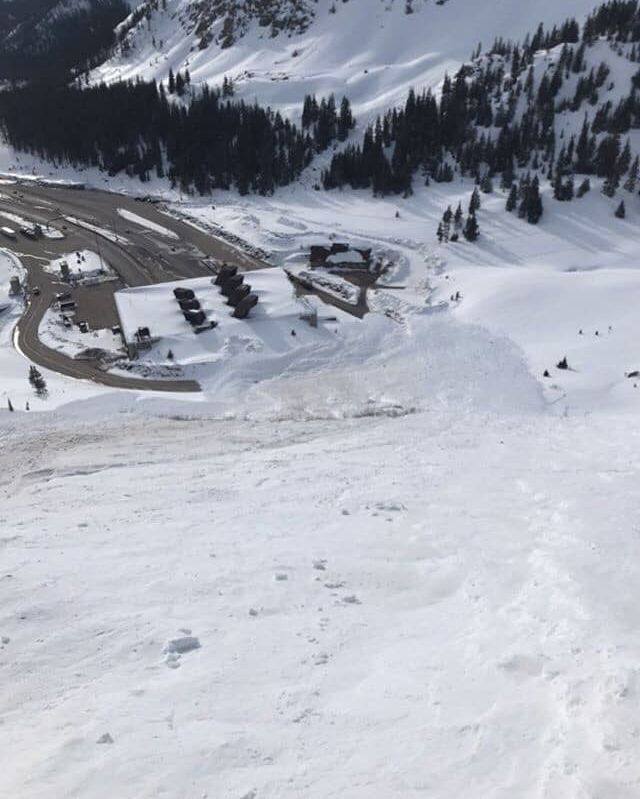
Snow avalanche on I-70 which buried the service road

New avalanche-control system on Lizard Head Pass

The Colorado Department of Transportation has completed installing a remote avalanche control system on Lizard Head Pass, Colorado 145.

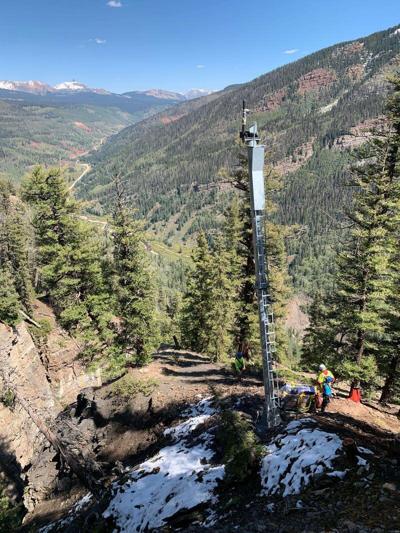
Crews installed five towers on the mountain and ridge about the highway, about 1 mile north of Rico and 20 miles south of Telluride. The towers will be used for triggering avalanches at known snow slide paths in the area.

This summer, CDOT installed the remotely controlled Wyssen avalanche mitigation system. Charges can be tethered and dropped from the towers, into the avalanche paths to bring down the slides in a controlled manner.

Wyssen Avalanche Control of Switzerland’s WAC.3 system replaces aging technology and other methods CDOT currently uses to shoot off avalanches on 145 before they can become a hazard to the motoring public.

The new system is expected to help keep Colorado 145 open, or allow it to be more readily reopened, during heavy snows, as the road is an alternative route for U.S. 550 Red Mountain Pass, which closes frequently during severe weather.

Separately, CDOT has also installed a new remotely controlled avalanche mitigation system on U.S. 6 from the Arapahoe Basin ski area.

Nov 29, 2020

New avalanche-control system installed on Lizard Head Pass